CBT-I: The Most Effective Insomnia Treatment You’ve Never Heard Of
Tags: CBT-I, insomnia treatment, sleep therapy, chronic insomnia, telepsychiatry for insomnia, sleep hygiene, sleep restriction therapy, stimulus control for insomnia, treating insomnia without medication, sleep disorders

In brief
Discover why cognitive behavioral therapy for insomnia (CBT-I) is the gold standard for treating chronic insomnia, outperforming sleep medications in the long run. Learn how this structured, evidence-based therapy works and why most people aren’t offered it.
Key takeaways
- CBT-I is the first-line treatment for chronic insomnia, recommended by major clinical guidelines over medications.
- Insomnia becomes chronic due to counterproductive coping habits like spending more time in bed or clock-watching.
- CBT-I’s core components—sleep restriction, stimulus control, and cognitive restructuring—target the root causes of insomnia.
- Sleep hygiene alone is rarely enough; CBT-I provides structured, personalized treatment for lasting results.
- Treating insomnia with CBT-I may help prevent depression, as the two conditions are deeply interconnected.
 Insomnia & Sleep
The Most Effective Insomnia Treatment Isn't a Pill — and Most People Have Never Been Offered It
Every major clinical guideline names the same first-line treatment for chronic insomnia, and it isn't medication. It's a structured, time-limited therapy that outperforms sleeping pills over the long run — and that most people have never heard of.
10–15%Of adults meet criteria for insomnia disorder; roughly a third to half report insomnia symptoms 70–80%Of patients respond to CBT-I, the guideline-recommended first-line treatment 85%Of people in a depressive episode meet criteria for insomnia disorder — the two are deeply intertwined 2.4×Higher rate of new clinically significant depression at one year among untreated controls vs. those who received face-to-face CBT-IYou've done the things. You cut the caffeine after noon, bought the blackout curtains, put the phone in the other room, tried melatonin, tried magnesium, tried the breathing exercise from the video. Some nights it helps a little. Most nights you're still lying there at 2:40 a.m. doing arithmetic about how many hours you'd get if you fell asleep right now — which, of course, guarantees you won't.
Eventually you mention it to a doctor, and you get a prescription. Maybe it works for a while. Maybe you're still taking it two years later and don't love that fact.
Here's what almost nobody gets told in that appointment: every major clinical guideline in this field recommends something else first. The American College of Physicians, the American Academy of Sleep Medicine, the European Sleep Research Society, and an NIH consensus panel all name the same first-line treatment for chronic insomnia — and it isn't a medication. It's cognitive behavioral therapy for insomnia (CBT-I): a structured, typically five-to-eight-session, non-drug treatment that works about as well as sleeping pills in the short term and considerably better in the long term.
In April 2026, the AASM published a new guideline on combining treatments, and its lead author put the conclusion plainly: their analysis suggests CBT-I by itself is the most efficacious first-line treatment for insomnia, with medication offering modest additional benefit for some specific outcomes.
This article covers what chronic insomnia actually is, why it becomes self-sustaining, what CBT-I involves, why sleep hygiene alone reliably fails, and the striking evidence that treating insomnia may prevent depression from developing in the first place.
What Is Chronic Insomnia Disorder?
Short answerChronic insomnia disorder is difficulty falling asleep, staying asleep, or waking too early — occurring at least three nights per week for at least three months, despite adequate opportunity to sleep, and causing daytime distress or impairment. It is a diagnosis in its own right, not merely a symptom of something else.
The Core Diagnostic Elements
1 Difficulty initiating sleep, maintaining sleep, or waking earlier than intended 2 Occurring at least 3 nights per week 3 Persisting for at least 3 months 4 Despite adequate opportunity for sleep — this distinguishes insomnia from sleep deprivation caused by a schedule that simply doesn't allow enough time in bed 5 Causing distress or daytime impairment — fatigue, mood disturbance, concentration difficulty, or functional problemsThat fourth point matters more than it sounds. A person working two jobs who sleeps five hours because they only have five hours available does not have insomnia — they have insufficient sleep opportunity, which is a different problem with different solutions. Insomnia is the frustrating situation of having the time and being unable to use it.
The other critical point, emphasized in the DSM-5 and in current sleep medicine: insomnia is not simply a symptom of depression or anxiety. It warrants attention as an independent condition regardless of what else is going on, and treating it directly produces benefits that treating the "primary" condition alone does not.
Why Does Insomnia Become Chronic?
Short answerInsomnia usually starts with a trigger — stress, illness, a new baby, grief — that would resolve on its own. It becomes chronic when the coping strategies people reasonably adopt in response (going to bed earlier, lying in bed trying, staying in bed late to catch up) create conditioned arousal, so the bed itself starts triggering wakefulness.
The dominant clinical model holds that insomnia becomes chronic when it is reinforced over time by well-intentioned but counterproductive coping strategies that produce conditioned arousal. This is genuinely good news, because it means the thing keeping you awake tonight may not be the thing that started it — and the maintaining factors are modifiable.
How Acute Sleeplessness Becomes Chronic Insomnia
TriggerStress, illness, loss, a schedule disruption — sleep gets disturbed → Sensible copingMore time in bed, earlier bedtime, sleeping in, napping, "trying harder" → Conditioned arousalBed becomes associated with frustration and wakefulness rather than sleep → Self-sustainingInsomnia persists even after the original trigger is long goneThis is why spending more time in bed — the most intuitive response to not sleeping enough — reliably makes chronic insomnia worse. More hours awake in bed means more hours of the bed teaching your nervous system that lying down means lying there frustrated. It's also why the single most powerful component of CBT-I is, counterintuitively, spending less time in bed.
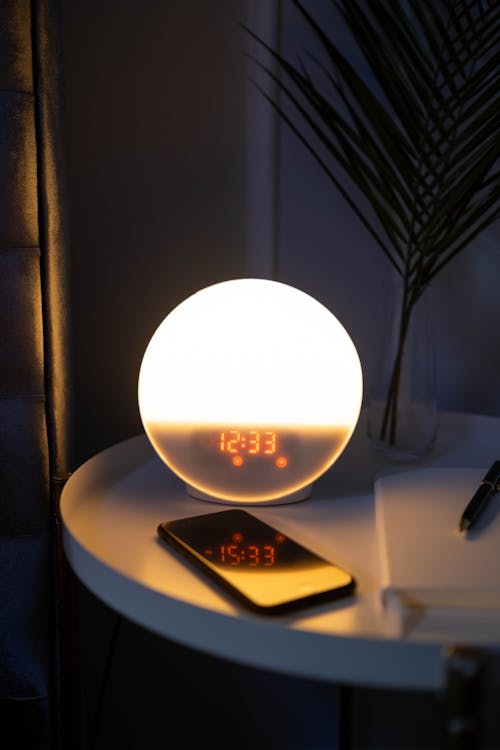
Clock-watching is a small behaviour with an outsized effect. Every check converts sleeplessness into arithmetic and pressure — which raises arousal, which delays sleep further. Turning the clock away is one of the first things CBT-I addresses.
What Is CBT-I and How Does It Work?
Short answerCBT-I is a structured, time-limited treatment — typically five to eight sessions — that targets the behaviours and thoughts maintaining insomnia. Its main components are sleep restriction, stimulus control, cognitive restructuring, relaxation training, and sleep hygiene education. It is delivered by a clinician trained in behavioural sleep medicine, and it uses your own sleep diary data to adjust the plan week to week.
Most PowerfulSleep Restriction
Time in bed is temporarily narrowed to match how much you're actually sleeping, then gradually widened as sleep efficiency reaches roughly 90–95%. This builds sleep drive and re-couples bed with sleep. It's the most effective single component — and the one that most needs clinician guidance, since it causes short-term sleepiness before it helps.
Most PowerfulStimulus Control
A set of rules that rebuild the bed–sleep association: bed is for sleep only; go to bed only when sleepy; if you're awake and frustrated for roughly 20 minutes, get up and do something quiet elsewhere, returning only when sleepy; get up at the same time daily regardless of how the night went.
CoreCognitive Restructuring
Identifying and testing the beliefs that fuel sleep anxiety — "I need exactly eight hours," "tomorrow is ruined," "if I don't sleep I'll get sick." These thoughts generate arousal, and arousal is incompatible with sleep. Reducing the catastrophizing lowers the pressure that keeps you awake.
CoreRelaxation Training
Progressive muscle relaxation, diaphragmatic breathing, or similar techniques to lower physiological arousal at bedtime. Useful, but as a supporting component — it works alongside the behavioural changes rather than replacing them.
Weakest AloneSleep Hygiene Education
Caffeine, alcohol, light, temperature, screens. Genuinely part of CBT-I — but the component with the least standalone effect. Sleep hygiene alone is generally not sufficient treatment for chronic insomnia, which is exactly why so many people conclude "nothing works" after trying only this.
StructureSleep Diaries & Titration
What makes CBT-I a treatment rather than a tip list. You track sleep nightly, and the clinician adjusts your prescribed sleep window based on real data. This feedback loop is why it's tailored, measurable, and typically finished in weeks rather than continued indefinitely.
If you've tried "sleep hygiene" and concluded that behavioural approaches don't work for you, it's worth knowing that you likely received the weakest ingredient without the two strongest. Sleep restriction and stimulus control are where most of the therapeutic effect lives — and neither is something people typically arrive at on their own, because both feel counterintuitive.
Is CBT-I Better Than Sleeping Pills?
Short answerFor chronic insomnia, yes — guidelines are consistent on this. CBT-I and medication perform comparably in the short term, but CBT-I is superior for long-term management because its benefits persist after treatment ends, while medication effects typically degrade after discontinuation. That's the core reason the ACP recommended CBT-I first after reviewing efficacy, harms, and head-to-head comparisons.
✓ CBT-I
- Time-limited — typically 5–8 sessions, then finished
- Benefits persist and often continue improving after treatment ends
- No dependence, tolerance, or withdrawal
- No next-day sedation, fall risk, or cognitive side effects
- Safe alongside most medical conditions and medications
- Main barrier: finding a trained provider
⚠ Sleep Medication
- Works quickly — a genuine advantage in acute situations
- Benefits typically fade after stopping; rebound insomnia is common
- Tolerance and dependence risks with some agents
- Next-day sedation, fall and fracture risk (especially in older adults)
- Interactions and cautions with other medications and conditions
- Has a legitimate role — often short-term, or alongside CBT-I
This is not an argument that sleep medication is bad or that nobody should take it. Medications have a real place — for short-term use during an acute crisis, for people who can't access or complete CBT-I, and in some cases alongside it. The April 2026 AASM combination guideline addressed exactly this question and found that adding medication to CBT-I may provide modest benefit for certain outcomes such as total sleep time.
The argument is narrower and better supported: for chronic insomnia, medication should generally not be the first and only thing offered — and for most people, it currently is.
⚠️ Sleep Restriction Needs Guidance — Don't Freestyle It
Sleep restriction is the most effective component of CBT-I and the one most often attempted incorrectly after reading about it online. Two things to know:
- It gets worse before it gets better. Deliberately narrowing time in bed increases daytime sleepiness for the first one to two weeks by design — that's the mechanism building sleep drive. Without a clinician explaining that and titrating the window from your diary data, most people abandon it right at the point where it starts working.
- Daytime sleepiness carries real risk. Drowsy driving and operating machinery are genuine concerns during the early phase. This needs to be planned around.
Sleep restriction requires particular caution, and sometimes modification, in people with bipolar disorder (sleep loss can precipitate mania), seizure disorders, untreated obstructive sleep apnea, and certain occupational safety demands. If any of those apply, this should be done with a clinician who knows your history — not from a blog post.
Relatedly: if you snore heavily, wake gasping, or have significant daytime sleepiness despite adequate time in bed, ask about a sleep apnea evaluation before assuming the problem is insomnia. The two frequently coexist, and apnea needs its own treatment.
How Are Insomnia and Mental Health Connected?
Short answerThe relationship is bidirectional. Around 85% of people in a depressive episode meet criteria for insomnia disorder, and insomnia independently predicts later onset of depression and anxiety. Rates of insomnia in psychiatric and chronic pain populations run as high as 50–75%. Critically, treating the insomnia improves both.
For a long time, insomnia was treated as a secondary symptom — fix the depression and the sleep will follow. That assumption has not held up. More than half of patients retain insomnia symptoms even after their depression remits, and residual insomnia is one of the stronger predictors of relapse.
Chronic insomnia is also associated with increased risk across a range of outcomes documented in the clinical literature: depression, anxiety, substance use, hypertension, falls, cognitive decline, workplace errors and accidents, and elevated suicide risk. It is not a lifestyle inconvenience.
The Finding That Reframes Insomnia Treatment: It May Prevent Depression
A large stepped-care randomized trial followed 1,018 adults who had DSM-5 insomnia but no depression at baseline. Participants were randomized to digital CBT-I or an online sleep education control; those who didn't remit went on to a second step of face-to-face CBT-I or continued control.
Insomnia remission was substantially higher with digital CBT-I (40%) than control (22%), and among non-remitters, second-step face-to-face CBT-I produced 75% remission versus 38% for control.
The striking result came at one-year follow-up. The incidence of new clinically significant depression was 2.4 times higher in the control group (13.2%) than in those who received face-to-face CBT-I (5.5%). Among those who received no digital CBT-I at step one, the depression rate was 10.1%.
In other words: treating insomnia in people who were not depressed appeared to substantially reduce how many of them became depressed within a year. That reframes insomnia treatment as something closer to preventive mental health care than symptom management — and it's a strong argument for not waiting.
Why Doesn't Everyone Get CBT-I?
Short answerSupply. There are far too few clinicians trained in behavioural sleep medicine relative to the number of people with chronic insomnia, most primary care visits don't have time for a referral conversation about it, and a prescription takes ninety seconds. Digital CBT-I has emerged specifically to close this gap, with evidence that it works.
The barrier isn't evidence or controversy — it's infrastructure. Access to in-person CBT-I remains limited by a shortage of trained providers and structural barriers, which is why the field has invested heavily in digital and telehealth delivery.
That work has produced results. In the real-world DREAM study of an FDA-cleared prescription digital therapeutic delivering CBT-I, participants who completed the program saw Insomnia Severity Index scores fall from a mean of 18.8 to 9.9, with improvements maintained at six-month and one-year follow-up — and significant reductions in depression (PHQ-8) and anxiety (GAD-7) scores alongside them.
Authoritative Places to Read More
- American College of Physicians — the 2016 clinical practice guideline naming CBT-I as first-line, published in Annals of Internal Medicine
- American Academy of Sleep Medicine — the April 2026 guideline on combining CBT-I with medication, in the Journal of Clinical Sleep Medicine
- NIH / National Heart, Lung, and Blood Institute — plain-language overview of insomnia causes, diagnosis, and treatment
- Sleep Foundation — a detailed, medically reviewed explainer on how CBT-I works
- U.S. Department of Veterans Affairs — the VA has been a national leader in disseminating CBT-I and publishes free self-management tools, including the CBT-i Coach app
- PubMed — for the underlying trials and meta-analyses cited throughout this article
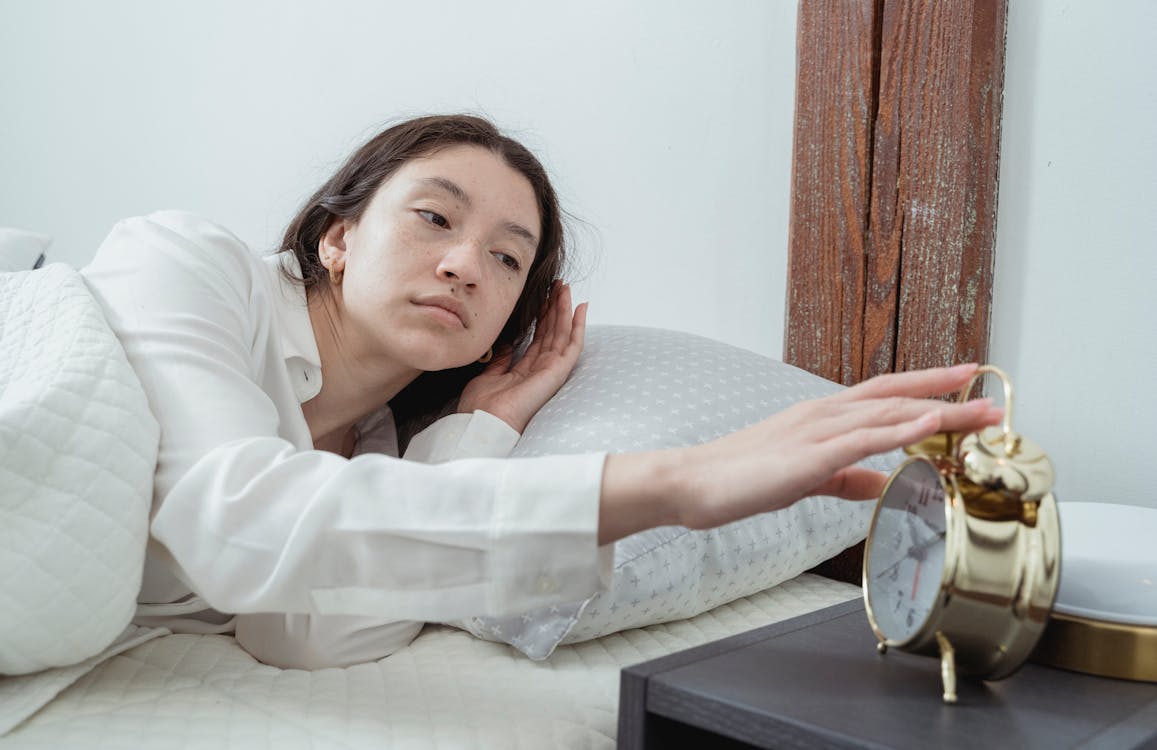
One of CBT-I's least popular and most important rules: get up at the same time every day, no matter how badly you slept. Sleeping in to catch up feels humane and reliably prolongs the problem by weakening the next night's sleep drive.
"Insomnia is not simply a symptom of something else. It is a condition in its own right — and treating it directly changes outcomes that treating the 'primary' problem alone does not."
— Synthesized from DSM-5 criteria and current sleep medicine guidanceCommon Questions
How long does CBT-I take to work?The standard protocol runs about five to eight sessions, and most people notice meaningful change within two to four weeks — though sleep often worsens briefly in the first week or two if sleep restriction is being used, which is expected. Unlike medication, the benefits generally persist and often keep improving after the treatment course ends.
Is sleep hygiene the same as CBT-I?No, and this is one of the most consequential misunderstandings in the field. Sleep hygiene is one component of CBT-I — and the weakest one on its own. The heavy lifting is done by sleep restriction and stimulus control. Many people who believe they've "tried the behavioural approach" have only tried sleep hygiene.
Does digital or app-based CBT-I actually work?The evidence is reasonably good. Digital CBT-I has been shown to be effective, and in some comparisons roughly as effective as in-person delivery, which is why it's been pursued as a way to close the provider-shortage gap. Programs vary widely in quality, though — look for ones based on the full CBT-I protocol including sleep restriction and stimulus control, not just tips and sleep tracking.
Can I do CBT-I while I'm still taking a sleep medication?Yes, and many people do. The April 2026 AASM guideline specifically examined combination approaches. Tapering, if and when it's appropriate, is planned with a prescriber — not stopped abruptly on your own, since some sleep medications require careful discontinuation and abrupt cessation can cause rebound insomnia or withdrawal effects.
Do I need eight hours of sleep?Not necessarily. Sleep need varies between individuals, and the rigid belief that a specific number is required is itself one of the thoughts CBT-I targets — because the anxiety it generates makes sleep harder. The better measure is how you function during the day, not what the tracker says.
Should I be tracking my sleep with a wearable?For some people it helps; for others it fuels exactly the sleep anxiety that maintains insomnia. Consumer wearables also estimate sleep stages with limited accuracy. If checking your score in the morning shapes how you feel about your day, that's a sign the tracking is working against you — CBT-I uses a simple sleep diary for a reason.
⚠️ If Sleeplessness Comes With Thoughts of Suicide or Self-Harm
Chronic insomnia is associated with elevated suicide risk, and severe sleep deprivation can intensify hopelessness. If you're having these thoughts, please reach out now rather than waiting for sleep to improve.
Call or text 988 — Suicide & Crisis Lifeline, available 24/7. | Crisis Text Line: Text HOME to 741741.
If there is immediate danger, call 911 or go to the nearest emergency room.
Sleep Problems Rarely Travel Alone — Start by Checking What Else Is Going On
Because insomnia and mood disorders are so tightly linked in both directions, a useful first step is getting a clear read on both. If insomnia has been running for months, there's a meaningful chance depression or anxiety symptoms have developed alongside it — and they're treatable together.
East Coast Telepsychiatry offers free, confidential, clinically validated screening tools, including the PHQ-9 for depression and GAD-7 for anxiety — the same instruments used in the insomnia research cited above. They take a couple of minutes, require no account, and give you something concrete to bring to an appointment.
Getting Evaluated for Chronic Insomnia
A thorough insomnia evaluation does more than confirm you're not sleeping. It establishes the pattern and duration, screens for the conditions that mimic or coexist with insomnia — depression and anxiety, sleep apnea, restless legs, thyroid disease, medication effects, substance use — and identifies which maintaining behaviours are keeping it going.
At East Coast Telepsychiatry, our board-certified providers evaluate and treat insomnia in the context of the whole clinical picture, including co-occurring mood and anxiety conditions and appropriate medication management. Care is delivered via secure telehealth, with same-week appointments often available and most major insurance plans accepted.
You can book an appointment, meet our providers, review insurance and cost, explore support options, or read our FAQs.
Explore More From East Coast Telepsychiatry
Conditions Depression, Anxiety & Other Conditions We Treat Free Screenings PHQ-9, GAD-7 & Other Validated Tools Articles Evidence-Based Mental Health Articles Our Team Meet Our Board-Certified Providers Insurance & Cost What Care Costs and What's Covered Resources Crisis Helplines & Mental Health ResourcesMonths of Bad Sleep Deserve More Than a Prescription
If insomnia has lasted longer than three months, it's a treatable condition with a first-line treatment most people are never told about. Board-certified evaluation via secure telehealth, most insurance accepted.
Book an EvaluationMost major insurance plans accepted | Same-week appointments available | Crisis: call or text 988
Sources & Further Reading
- Qaseem A, Kansagara D, Forciea MA, Cooke M, Denberg TD; Clinical Guidelines Committee of the American College of Physicians. Management of Chronic Insomnia Disorder in Adults: A Clinical Practice Guideline From the American College of Physicians. Annals of Internal Medicine. 2016. acponline.org
- American Academy of Sleep Medicine. New guideline provides recommendations on combining treatments for chronic insomnia (Buysse DJ, lead author). Journal of Clinical Sleep Medicine. April 13, 2026. aasm.org
- Sateia MJ, Buysse DJ, Krystal AD, et al. Clinical Practice Guideline for the Pharmacologic Treatment of Chronic Insomnia in Adults: An American Academy of Sleep Medicine Clinical Practice Guideline. J Clin Sleep Med. pmc.ncbi.nlm.nih.gov
- Schutte-Rodin S, Broch L, Buysse D, et al. Clinical Guideline for the Evaluation and Management of Chronic Insomnia in Adults. J Clin Sleep Med. pmc.ncbi.nlm.nih.gov
- Digital CBT-I versus stepped-care CBT-I to prevent depression one year later (N=1,018). ncbi.nlm.nih.gov
- Effect of a prescription digital therapeutic for chronic insomnia on post-treatment insomnia severity, depression, and anxiety symptoms: results from the real-world DREAM study. ncbi.nlm.nih.gov
- Innovative Digital Cognitive Behavioral Treatment for Insomnia Disorder in Adults (dCBT-i): Framework Development. ncbi.nlm.nih.gov
- Dismantling cognitive-behavioural therapy for chronic insomnia in adults: a systematic review and component network meta-analysis. medrxiv.org
- Clinical Update on Insomnia (European Sleep Research Society, AASM and ACP recommendations summarized). ScienceDirect. 2025. sciencedirect.com
- Sleep Foundation. Cognitive Behavioral Therapy for Insomnia (CBT-I): How It Works. Medically reviewed. sleepfoundation.org
- National Heart, Lung, and Blood Institute (NIH). Insomnia. nhlbi.nih.gov
- Effectiveness of unguided digital cognitive behavioral therapy for insomnia on depressive symptoms: a systematic review and meta-analysis of randomized controlled trials. Frontiers in Psychiatry. 2025. frontiersin.org
Frequently Asked Questions
- What is CBT-I and how does it differ from sleep hygiene tips?
- CBT-I is a structured, clinician-led therapy that targets the behaviors and thoughts maintaining insomnia, while sleep hygiene alone (e.g., reducing caffeine) rarely resolves chronic insomnia.
- Does CBT-I work better than sleeping pills for insomnia?
- Yes. CBT-I outperforms sleep medications in the long term, though medications may offer short-term relief for some.
- How long does CBT-I take to work?
- Most people see improvements within 5–8 sessions, though sleep restriction may cause temporary sleepiness before benefits appear.
- Can I do CBT-I online or is it only in-person?
- CBT-I is highly effective when delivered via telepsychiatry, making it accessible for remote or busy patients.
Helpful next steps
- Learn about anxiety disorders
Symptoms, treatment options, and when to seek professional support.
- Learn about depression
Understand common symptoms and evidence-based treatment approaches.
- Learn about insomnia and sleep disorders
See how sleep concerns can affect mental health and treatment.